Notice the light
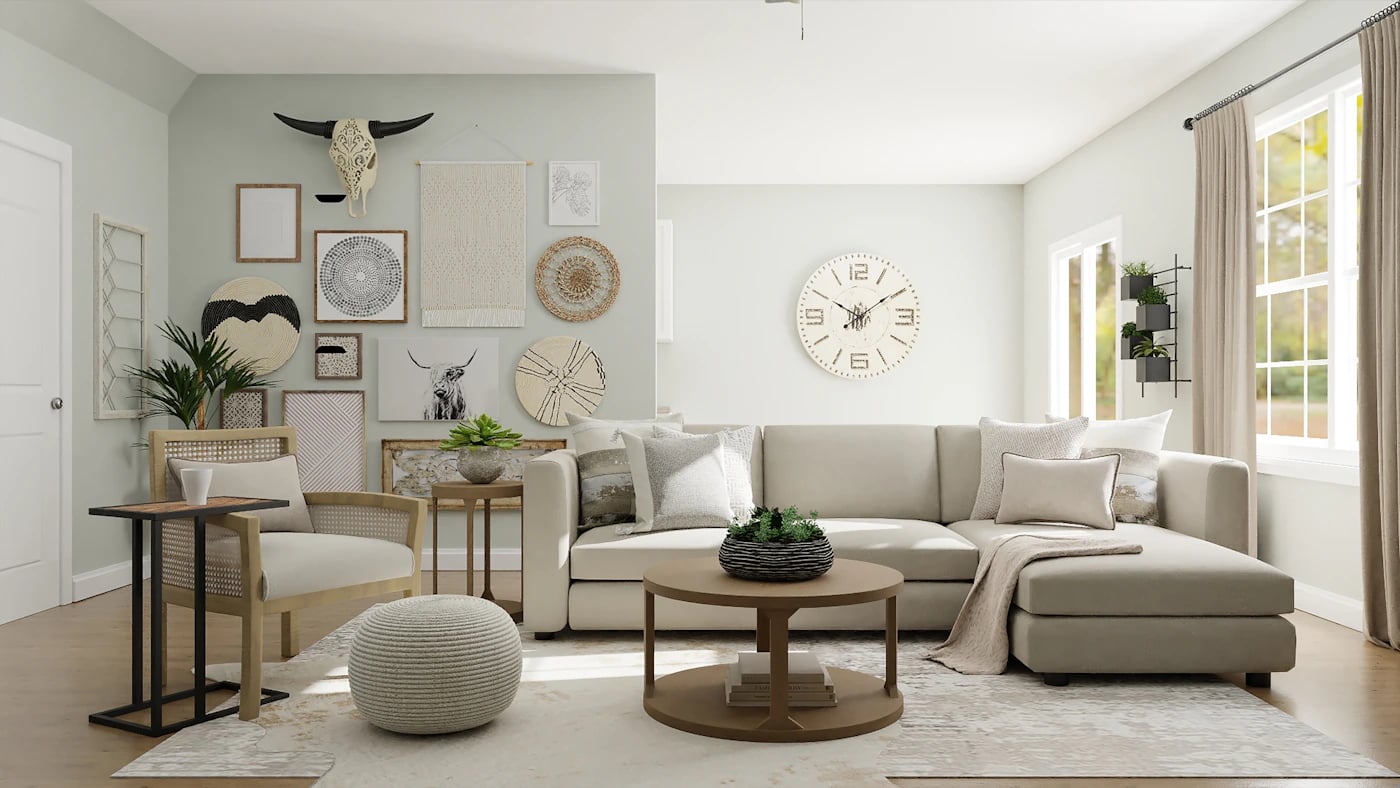
Spend time in a room at different hours. The way sunlight enters can guide where you place a favourite chair or a table for everyday work.
Consider the outline from more than one viewpoint. The relationship between a piece and the room around it often matters as much as its individual shape.
A few photographs, a simple floor plan or the dimensions you already have are a useful beginning. Capture the context in your own words before deciding what further information would be useful.
- A view of your space
- What matters to you
- The practical context
Give objects a purpose
A useful room does not need to be full. Keep the pieces that support your routines, and consider what each new object adds.
Bring together the finishes you already have in the space. Compare texture and colour in the light where the piece will be used.
Tell us how the room is used, the pieces you are keeping and the feeling you want to create. Capture the context in your own words before deciding what further information would be useful.
Make it personal
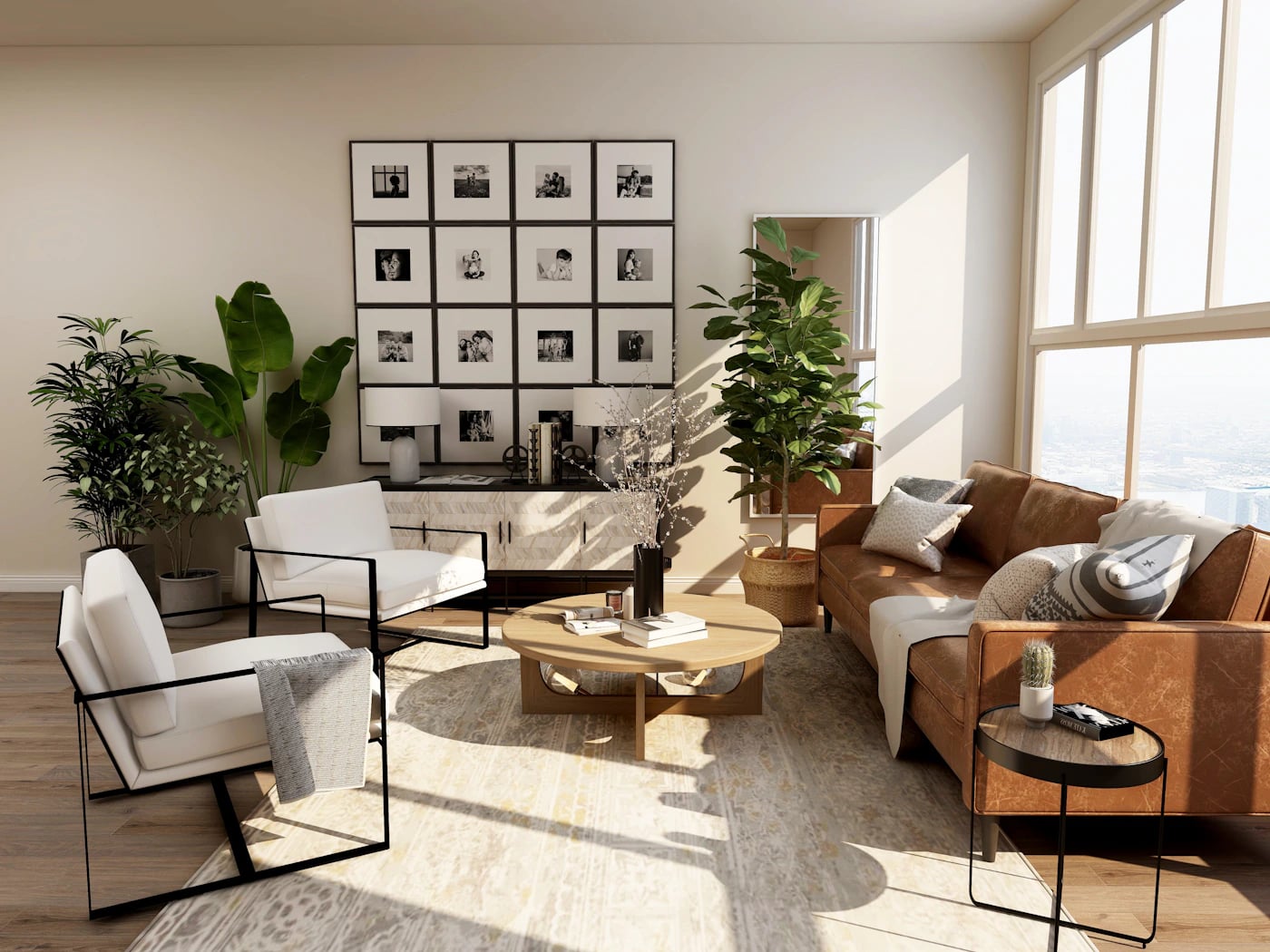
Good interiors feel like the people who use them. Let books, tactile objects and familiar materials tell the story.
Think about approach, movement and the surrounding objects. A selection feels more resolved when it supports the way the space is actually lived in.
Include your preferred timing and any access, finish or project requirements you already know. Capture the context in your own words before deciding what further information would be useful.
Bring the considerations together
A few useful considerations help turn an open brief into a considered selection.
Start with the moments a space needs to hold: an unhurried morning, a conversation with friends, a quiet hour at the end of a day. Furniture becomes more personal when these everyday rituals lead the choice. We consider the relationship between each piece, the room around it and the people who use it.
| Your starting point | What to consider | A useful next step |
|---|---|---|
| One favourite corner | Comfort, scale and the light at different times of day | Explore the seating collection |
| A shared living space | Conversation, circulation and a palette that connects existing pieces | Discuss the room as a whole |
| A hospitality setting | Intended use, care expectations and a coherent material story | Share the project brief |
A useful next conversation
We begin with the room and its routines. Floor plans, reference images and a sense of what you want to keep help make the conversation useful.
A considered proposal should make the choices easier to compare. We confirm what needs review before a final selection is made.
- Understand the setting
- Make choices visible
- Keep the next step clear
Have a thought or a question?
We’d like to hear it